
What Florida’s New Suspension Rule Means—And How to Protect Yourself
What Florida’s New Suspension Rule Means—And How to Protect Yourself
Even with the new rule in place, the best defense in any grievance matter is prevention. The best practices outlined below offer proactive steps Florida attorneys should take to reduce their risk of disciplinary issues.
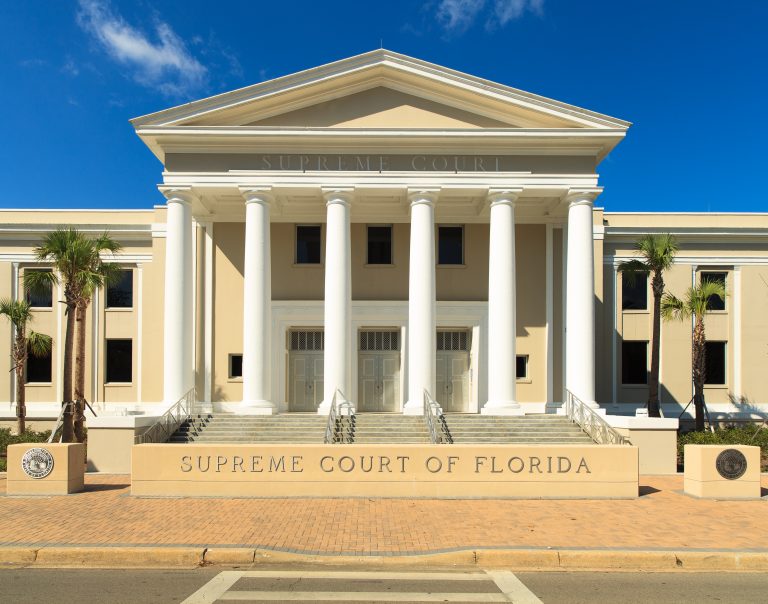
The practice of law demands a code of conduct above reproach. Beginning December 2025, Florida attorneys charged with felonies may face an automatic interim suspension under the Rule Regulating the Florida Bar 3-5.3 (Interim Suspension).
The rule arose from the Florida Supreme Court’s review of attorney disciplinary procedures in Case No. SC2025-0727, adopted in June 2025. The court emphasized that felony charges may reflect “adversely on the lawyer’s fitness to practice law,” and sought to ensure that attorneys facing felony charges are treated consistently, whether their cases were already pending or had previously been placed on monitor status.
Even with the new rule in place, the best defense in any grievance matter is prevention. The best practices outlined below offer proactive steps Florida attorneys should take to reduce their risk of disciplinary issues.
The Importance of Prompt and Truthful Communication
Clear, consistent communication is one of the most effective ways to prevent client dissatisfaction and avoid grievances. Florida attorneys are required to keep clients reasonably informed under Rule 4-1.4 of the Florida Rules of Professional Conduct. Communication issues are routinely among the top ten complaints received by the Florida Bar, according to Lawyer Regulation Division Director Elizabeth Tarbert.
Make responsiveness a habit: return phone calls and emails the same day if possible and avoid letting more than 48 hours pass without a response. Regular check-ins, even when there is nothing new, help clients feel informed and reassured.
Truthfulness is equally important. Be upfront about realistic timelines, risks and challenges—the good and the bad. If a matter is inactive or your capacity is limited, say so clearly. Setting honest expectations protects the client relationship and your professional integrity. No short-term discomfort is worth risking your license through misrepresentation or omission.
Ethics in Action
One of the most important decisions a lawyer makes is whether to accept a matter—an assessment that starts with proper legal due diligence under Rule 4-1.7 (conflicts with current clients) and Rule 4-1.9 (conflicts with former clients). Conduct a thorough conflict check before meeting with a potential client and, if you decline the representation, document the decision thoroughly.
Maintaining confidentiality is equally critical. Confidentiality and attorney-client privilege are often discussed together, but they are distinct concepts. Privilege is governed by Florida Evidence Code section 90.502, and protects communications, not underlying facts. Confidentiality, by contrast, is an ethical duty imposed by Rule 4-1.6, which requires lawyers to safeguard all information relating to the representation, “whatever its source.” Both are essential, but they operate differently.
Administration and Client Service
Documentation is a fundamental part of your practice and client work. Save emails that decline representation or confirm the scope of work. When clarifying boundaries, use simple phrasing such as, “I’m not your lawyer for X, but I am for Y.” These records not only reinforce communication but also become invaluable evidence if a grievance is filed.
Calendar management is another critical safeguard. Keep a comprehensive calendar that includes all obligations – not just litigation deadlines. For example, Florida Supreme Court discipline orders in case numbers SC2025-0228 and SC2025-1087 show that failure to respond to court or bar orders ultimately led to suspension or other sanctions, highlighting the importance of thorough calendaring.
To prevent these issues, update your calendar regularly, ensure every matter has a signed engagement letter, and document receipt of flat fees. These simple administrative habits can prevent avoidable errors and safeguard your practice.
Mental Health Matters
The practice of law is demanding, and recent data shows the toll is real. According to the 2024 Attorney Well-Being Report from Bloomberg Law, 55% of lawyers reported anxiety, 29% reported depression and 43% delayed seeking treatment because 72% reported they didn’t have time. Alarmingly, more than six in 10 attorneys reported encountering a legal professional whose mental health or substance‑use issues affected their professional duties.
Because the stress is pervasive, it is vital for lawyers to seek help when needed. Just as passengers are reminded to secure their own oxygen masks first, lawyers cannot effectively serve clients without first taking care of themselves. Confidential resources such as those provided by the Florida Lawyers Assistance program may make a meaningful difference.
Practice With Purpose
Practicing law is a privilege that carries ethical responsibilities. Clear communication, diligent conflict management, careful documentation and attention to personal well-being help prevent grievances and protect both your practice and your clients. Adopt a proactive mindset—through conflict checks, compliance with ethics rules and consistent administrative habits—and take pride in upholding the trust clients place in you.
Reprinted with permission from the March 24, 2026, edition of Daily Business Review © 2026 ALM Media Properties, LLC. All rights reserved. Further duplication without permission is prohibited, contact 877-257-3382 or reprints@alm.com.